ACH Payment Options for Small Businesses: Setup, Costs, and Best Use
Explore ACH payment options for small businesses, including setup, timing, costs, and transaction types.

Understanding ACH payments
ACH payment options let small businesses move money electronically between bank accounts. It replaces paper checks with an automated clearing process. For many companies, that means smoother bookkeeping and fewer trips to the bank.
ACH is short for Automated Clearing House. It is a payment rail run through member banks and clearing partners. When you hear “electronic funds transfer,” this is often what people mean.
ACH is also a practical choice for both routine billing and larger invoices. Many business owners compare payment processing options by cost, speed, and how well payments fit their workflow.

How ACH payments work
ACH is built around a simple idea. A payer’s bank sends a payment instruction to the ACH network. The receiving bank then delivers the funds to your business account.
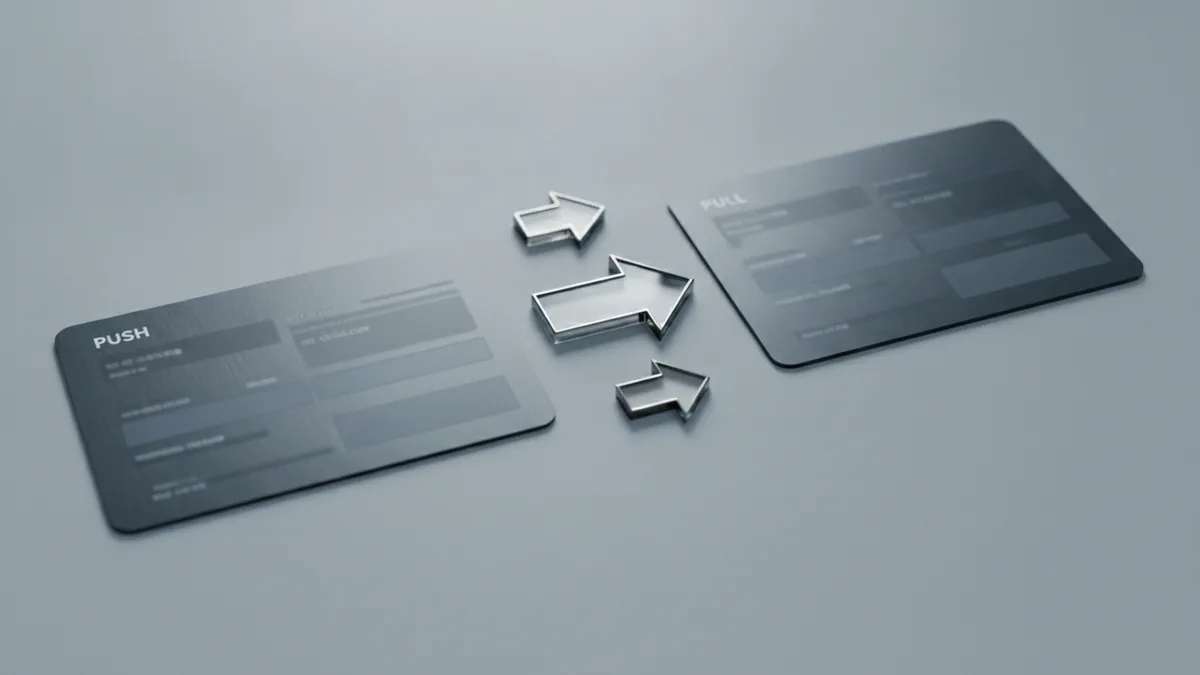
There are two main types of ACH transactions. Credits are pushed by the payer to your business. Debits are pulled by the payee from the payer’s account. Most billing use cases use one of these flows based on who initiates the transfer.
The ACH network processed 35.2 billion payments valued at $93 trillion in 2025. That scale is a signal that ACH is stable and widely supported by banks and payment processing providers.
Timing matters for small business payment processing options. ACH transfers commonly take 1 to 3 business days to settle. Same-day ACH options are available now in many setups, depending on your provider and the sending bank.

Benefits of ACH payment options
Lower cost is one of the strongest reasons businesses adopt ACH. ACH payments are generally cheaper than credit card processing fees. Many industry averages land around $0.29 per transaction for ACH.
Another benefit is predictable cash flow. Recurring payments can be scheduled, which reduces the “wait for checks” cycle. Customers also tend to find ACH familiar because it uses their bank account directly.
ACH also supports cleaner reconciliation. When you receive credits or settle debits, you can match them to invoices using remittance data. That improves transaction security because fewer manual steps are involved.
Finally, ACH can plug into online payment processing options. If you bill online, you can collect bank details securely and submit payment instructions through a provider.
Types of ACH transactions
Understanding ACH credits and ACH debits helps you choose payment processing options for your specific billing model. It also helps you decide what you need from customers during onboarding.
ACH credits (payer pushes money)
With ACH credits, your customer initiates the payment. This is common for customers who prefer to pay from their own banking app or online portal. It can also work when you generate payment instructions and the payer follows them.
ACH debits (payee pulls money)
With ACH debits, you initiate the pull from the customer’s account. This is common for subscriptions, installment plans, and ongoing services. Debit transactions require clear customer authorization before you pull funds.
One-time and recurring payments
Businesses can set up ACH payments for both one-time and recurring transactions. One-time transfers work well for invoices. Recurring transfers work well for monthly service fees.
Providers often give you tools to store authorization and manage payment schedules. That is part of what people mean when they discuss small business fintech or fintech for small business setups.
Setting up ACH payments for your business
You can set up ACH in a few ways, depending on whether you want a full service workflow or a simpler bank-to-bank approach. Most small businesses use a payment processing provider to reduce build time and improve compliance.
Start by deciding which transaction type fits your model. If you want customers to pay you, you likely use ACH credits. If you want to collect on a schedule, you likely use ACH debits.
Next, choose a payment gateway options path. Some providers act as both the gateway and the ACH channel. Others focus on ACH processing and connect to your billing tools separately. If you also run website payment processing options, confirm the provider supports secure collection of bank details.
What you need to collect
For ACH debits, you typically collect customer authorization and their bank details. This often includes bank account and routing information. Your provider usually provides the authorization workflow and storage.
Compliance and authorization requirements
Compliant ACH transactions require customer authorization. You also need to follow NACHA guidelines. NACHA is the organization that sets rules for ACH processing across the network.
In practice, authorization means your customer agrees to the amount, schedule, and payment method. It also means you document the agreement and keep records for disputes or returns.
Here is a practical setup flow that many businesses follow.
- Select your ACH use case. Decide on credits or debits based on who initiates payment.
- Choose a provider for processing. Look for support for your billing workflow and reconciliation needs.
- Collect authorization correctly. Use the provider’s forms or compliant templates for your debit flow.
- Test with low-risk payments. Start with small amounts to confirm timing and matching in your system.
- Launch with clear customer communication. Explain how the payment will occur and what to do if details change.
Finally, connect reporting back to your accounting. You want transaction IDs, amounts, and dates to map to invoices. That is how you keep online payment processing options from creating manual cleanup work.
Comparing ACH payments to other payment methods
When you compare payment processing options, ACH often looks best for recurring bills and invoice-heavy businesses. Credit cards can be faster for customers. However, their per-transaction fees can add up quickly for lower ticket items.
Wire transfers are another alternative. They are often suited for larger payments. ACH tends to be more cost-friendly for day-to-day transfers, especially for small business payment processing options.
Money movement speed is the main tradeoff. ACH commonly takes 1 to 3 business days, even though same-day ACH can reduce that gap. If you need instant settlement, you may still choose cards or other rails.
Another comparison point is chargeback risk. Cards typically carry chargeback processes that can be costly. ACH disputes exist too, but the workflow differs. A good provider will describe returns and how you handle them in your policy.
So the “right” option depends on your customer behavior. If customers already pay by bank transfer, ACH credits or online ACH debits can feel natural.
Best practices for using ACH payments
Good ACH operations are mostly about authorization, data hygiene, and clean reconciliation. The goal is simple. Reduce manual steps, prevent errors, and keep customers informed.
Get authorization right the first time
For ACH debits, ensure you have valid customer authorization before you pull funds. Use a documented workflow and store the authorization details. This supports transaction security and reduces return rates.
Use clear remittance data
When sending payment instructions, include enough remittance info to match invoices. This helps your team reconcile quickly. It also reduces customer support time when a payment looks “missing.”
Monitor timing and returns
Track settlement dates and watch for payment returns. If a return rate rises, investigate bank detail issues or scheduling problems. Many payment processing providers offer dashboards for return codes.
Plan your policy for changes
Customers change banks and accounts. Have a process for updating bank info and updating schedules for recurring payments. If you fail to manage changes, you may cause failed ACH attempts.
Choose providers that fit your workflow
Not all payment processing providers handle reconciliation and reporting the same way. Look for clear exports to your accounting tool. If you run website payment processing options, confirm the provider supports secure forms and dependable submission.
For businesses exploring small business fintech, start with the operational basics. Then expand. ACH can be your “quiet workhorse” while you later add other rails.
If you want to keep things simple, decide early between credits and debits. Then standardize your onboarding, authorization storage, and reconciliation approach. That is how ach payment options become a long-term win rather than a one-time project.
FAQ
- What are ACH payment options for small businesses?
- ACH payment options let you accept or send electronic funds transfer between bank accounts. They reduce check handling and can support both one-time and recurring billing.
- What is the difference between ACH credits and ACH debits?
- ACH credits are initiated by the payer and sent to your business. ACH debits are initiated by you to pull funds from the customer’s account.
- How long does ACH payment processing take?
- Most ACH payments settle in about 1 to 3 business days. Some providers offer same-day ACH depending on the sending bank and cut-off times.
- Do ACH payments have lower fees than credit cards?
- In many cases, yes. ACH is often cheaper than credit card processing fees, with averages around $0.29 per transaction reported across industry data.
- What do I need to accept ACH debits compliantly?
- You need customer authorization before pulling funds. You also must follow NACHA rules and use a process your provider supports.
- Can I set up ACH through online payment processing options?
- Yes. Many payment processing providers support website payment processing options and secure bank-detail collection for ACH.