What Does an ACH Payment Stand For? Meaning and How It Works
ACH payments move money electronically. Learn what ACH stands for and how it works.
What is ACH?
ACH is an electronic payments network used to move money between bank accounts. If you are asking “what does ach payment stand for,” the answer is that ACH stands for Automated Clearing House.
You can also see variations like “what does ach stand for payment” or “what is ach payment stand for.” They all point to the same term: ACH is short for Automated Clearing House. It is a set of rules and a processing network that moves funds reliably.
ACH payments show up in everyday life. Direct deposit payroll is one example. Bill payment is another example.

Understanding ACH payments
ACH payments are a type of electronic funds transfer (EFT) where money moves through the ACH network. Instead of a card network or a paper check, the transfer uses bank-to-bank messaging. This makes ACH a common choice for recurring payments.
ACH is built to handle large transaction volumes. The system is designed for batch-style processing, which helps it move many payments efficiently. That is why you see ACH used for salaries, utilities, and other bills.
In practice, payment processing for ACH relies on banking networks and agreed-upon payment rules. Banks send payment instructions through the network so the right account gets credited or debited. Those instructions also include information needed to match the payment to the right payer or bill.
How ACH transactions work
An ACH transaction starts when a payer submits payment instructions to their bank. The bank then sends those instructions into the ACH network. The network routes the transfer to the receiving bank, which posts the funds to the right account.
The exact steps vary by bank and payment setup. Still, the flow is consistent: originator input, network processing, then account posting. That is why ACH is often used for recurring or scheduled transfers.
Timing depends on the processing windows set by the network. Transfer times for ACH payments typically range from one to two business days. Some same-day processing options exist now, which can shorten the window for eligible payments.
- Originator (payer) initiates an ACH payment through their bank or a payment provider.
- Originating bank sends the payment file or entry to the ACH network.
- ACH network routes it to the receiving bank.
- Receiving bank posts the credit or debit to the customer’s account.

Types of ACH transactions
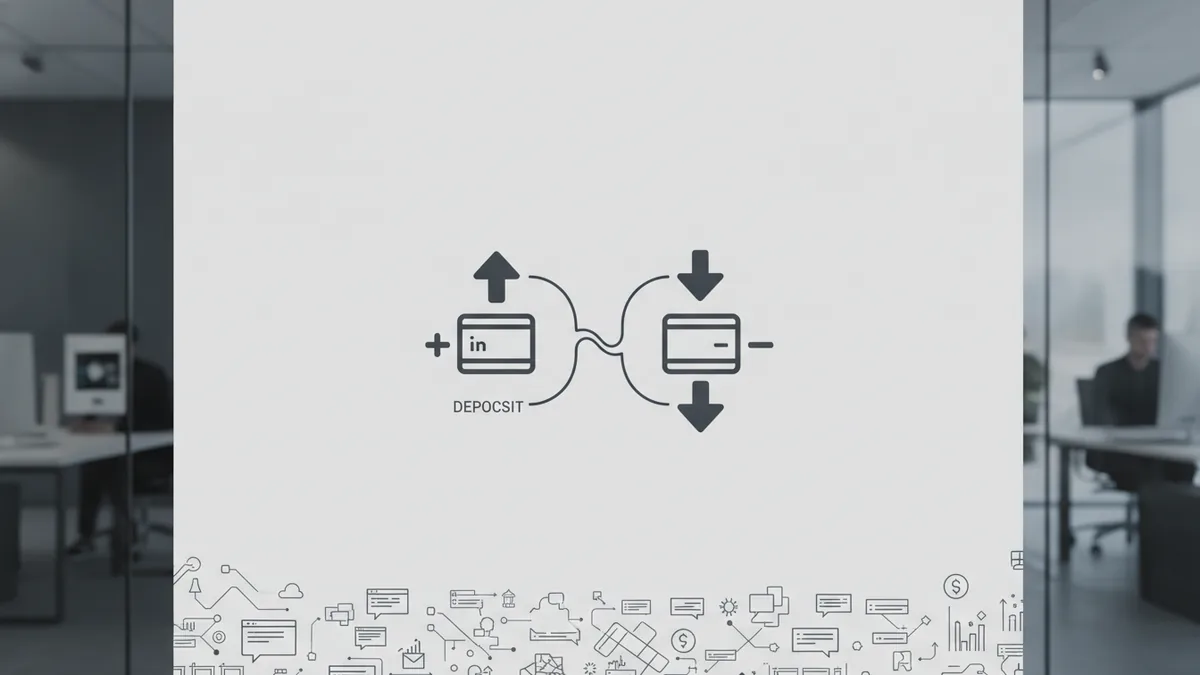
There are two main types of ACH transactions: direct deposit and direct payment. This is often where people get the terms mixed up. The key is the direction of the money and the purpose of the transfer.
Direct deposit moves money into an account. Payroll is the classic case. Social benefits and refunds can also be delivered as direct deposit.
Direct payment moves money out of an account. Bill payments and other pay-to-vendor transfers often use direct payment. When a business collects money from a customer, it commonly uses an ACH direct payment entry.
| ACH type | What it does | Common examples |
|---|---|---|
| Direct deposit | Credits the receiver’s bank account | Payroll, benefits, refunds |
| Direct payment | Debits the payer’s bank account | Bill payment, vendor payments |
Benefits of ACH payments
Businesses often choose ACH because it can reduce cost compared to credit cards and checks. Credit cards may involve card network fees and processing rates that add up over time. Checks add costs too, like printing, mailing, and manual handling.
ACH also supports predictable payment schedules. That helps for subscription billing, monthly invoices, and recurring service fees. When payments are timed well, you can improve cash flow visibility and lower reconciliation effort.
Another benefit is transaction security. ACH payments use encryption measures and controls defined by Nacha regulations. Those measures help protect payment data as it moves between banks and systems.
For customers, ACH can feel easier because it uses existing bank accounts. It also avoids the need for repeated card entry. For many billers, this improves payment completion rates.
Making and receiving ACH payments
To make ACH payments, you need a way to initiate transfers through your bank or a payment processing partner. Many businesses use a payment processing setup that formats ACH entries, handles submission, and manages status updates. You also need payer account details, like routing and account numbers, depending on the payment method.
To receive ACH payments, you provide your bank account information for deposits or collection. If you are collecting payments, your setup typically needs to define how authorization works and how you will confirm incoming funds. Even though the network handles the transfer, your processes still matter.
ACH is often used for direct deposit and bill payment workflows, so you can align it to your business needs. Payroll teams might focus on recurring direct deposit timing. Billing teams often focus on direct payment scheduling and clear remittance details.
Here are practical steps to get started safely and smoothly:
- Confirm the ACH entry type you need: direct deposit for inbound payroll-style payments, or direct payment for bill payment collection.
- Collect the right account details and store them securely using your normal transaction security controls.
- Set payment schedules that match the typical one to two business day processing window.
- Track payment status and handle exceptions, like returns or rejected entries, through your payment processing tools.
- Align your authorization and recordkeeping with Nacha regulations, especially for recurring collections.
When you combine clear payment setup with the network’s built-in reliability, ACH can be a cost-effective way to move money. It is a mature method for electronic payments that fits both personal and business use cases.
FAQ
- What does ACH payment stand for?
- ACH stands for Automated Clearing House. It is an electronic network that moves money between bank accounts.
- What does ACH stand for in payment terms?
- In payment contexts, ACH refers to the Automated Clearing House network. It powers electronic funds transfer (EFT) between banks.
- How long do ACH payments take?
- ACH payments typically take one to two business days. Same-day processing can be available for eligible transfers.
- What are the two types of ACH transactions?
- The two main types are direct deposit and direct payment. Direct deposit credits the receiver, while direct payment debits the payer.
- Are ACH payments secured under Nacha rules?
- Yes. ACH uses encryption and other controls under Nacha regulations to protect payment data.