What Is an ACH Payment Method? How It Works, Timelines, and Costs
Understand ACH payment methods, how they work, and what they cost.
What is an ACH payment method?
An ACH payment method is a way to move money electronically between US bank accounts. ACH stands for Automated Clearing House, and it runs as a bank-to-bank network. People also use the terms “electronic funds transfer” or EFT to describe the same idea.
For most businesses and consumers, ACH means using a bank account payment instead of a card payment. Instead of swiping or entering card details, you authorize a withdrawal or you receive funds directly into your checking or savings account. That authorization is what lets payments move safely through the network.
If you are looking for the ach payment method meaning in one line, it is a US network for electronic bank transfers. Those transfers can send money out of an account or bring money into an account.
Why businesses and consumers choose ACH
ACH is common because it fits everyday payments like payroll, bills, and person-to-person transfers. It can also help reduce payment failures compared with some faster payment methods. Many organizations also like that ACH activity is easier to track in standard bank statements.
In practice, ACH is used for both recurring payments and one-time payments. A gym may charge membership by ACH each month. A landlord may collect rent by ACH.
Types of ACH transactions
When people talk about ach transaction types, they usually group transactions by direction. There are two main categories of ACH transactions: direct deposits and direct payments.
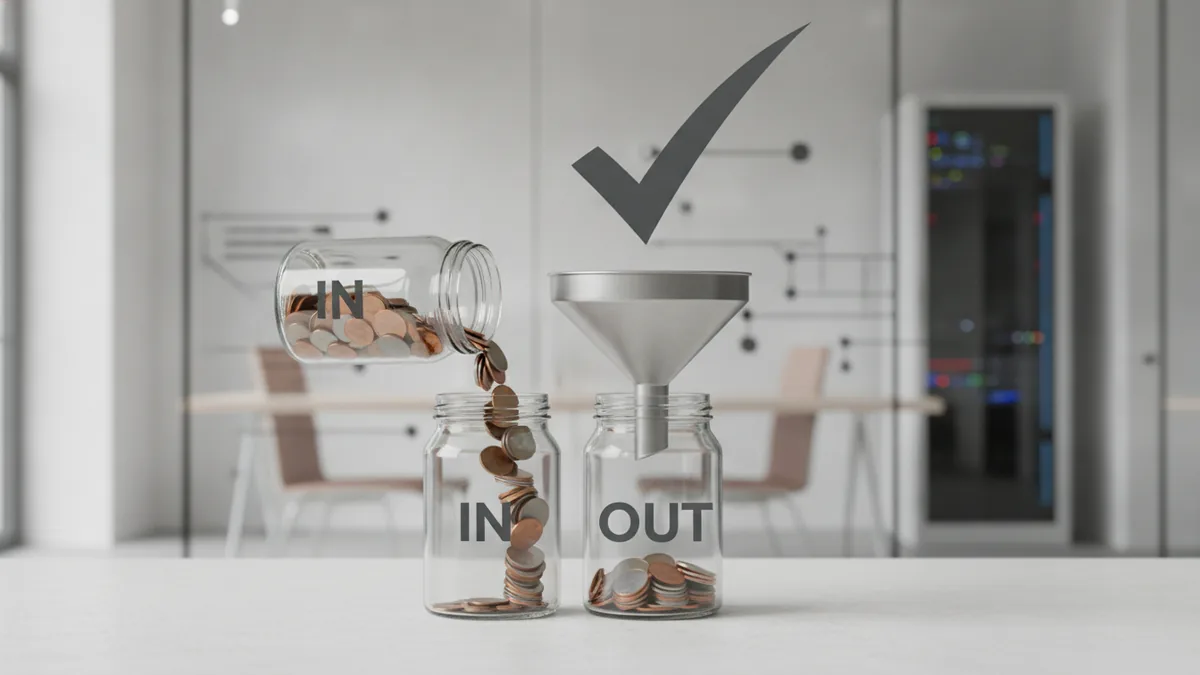
Direct deposit is money coming into an account. Direct payment is money going out of an account. Both types use the same ACH network, but the flow is different.
- Direct deposit: Funds move into your account, such as payroll or tax refunds.
- Direct payment: Funds move out of your account, such as paying a bill or making a bank account transfer.
Another useful way to think about ACH is credits and debits. An ACH credit increases the receiving account. An ACH debit pulls money from the paying account.
For example, if you get paid by payroll, that is typically an ACH credit to your account. If you pay a utility bill by bank account payments, that is typically an ACH debit from your account.
Common real-world uses
Direct deposit is widely used for payroll. It is also used for some government benefits and other regular payments. Direct payments are common for bills and subscriptions.
People also use ACH for transferring money between individuals. If you authorize a friend or family member to pull from your bank account, that is a direct payment setup. If you receive money from them into your account, that is a direct deposit experience.
How ACH payments work
ACH payments work by moving payment instructions through the ACH network between participating banks. You start by providing authorization and bank account details. Then the bank sends the instruction, and the receiving bank posts the funds.
Most ACH payment processing is built around standard banking rails and timing windows. That means you do not need a card processor for the basic transfer itself. Instead, you coordinate authorization and routing so the transfer lands in the right account.
Step-by-step flow (simplified)
- Authorization: A customer agrees to an ACH withdrawal or a direct deposit arrangement.
- Setup: The business collects routing and account details for bank account payments.
- Submission: The business or its payment service provider sends the ACH instruction for processing.
- Settlement: The network routes the payment to the customer’s bank.
- Posting: The receiving bank applies the credit or debit to the account.
Two details make ACH practical for payment security. First, authorization is tied to a specific bank account. Second, records are kept in bank systems, which helps with tracking and resolving issues.
Many businesses also use “standard entry class” rules in the background to match payment types and timing. You do not need to understand every acronym to use ACH, but the rules help systems handle payments consistently.
How this relates to Nacha
ACH operations are organized under rules set by Nacha, the US organization that governs the ACH network. Those rules cover how payments are formatted, when they run, and how participants exchange data. The result is a predictable payment processing path across banks.
Processing times for ACH payments
ACH payments typically take 1-3 business days to process. That timing is common for both direct deposits and direct payments. It happens because batch processing and settlement windows are built into the network.
However, timing depends on submission cutoffs and the type of ACH you use. If you submit after a cutoff time, the payment may wait for the next batch. That is why the same-day outcome is not guaranteed.
Same-day options
Same-day ACH is available for some payment setups. It usually costs more because the payment has to be handled with faster processing. If you need near-immediate funds movement, ask your payment provider about same-day ACH availability.
For cost planning, treat same-day ACH as a tradeoff between speed and price. For many recurring bills and payroll, standard ACH timing is enough.
| ACH timing | What it means | Typical use |
|---|---|---|
| 1-3 business days | Standard processing in regular network batches | Rent, utilities, subscription renewals |
| Same-day ACH | Faster rails for eligible transfers at added cost | Urgent payments or time-sensitive invoices |
Benefits of using ACH payments
One of the top ach payment method benefits is lower transaction cost compared with credit cards. Many businesses also find ACH simpler to reconcile because bank statements categorize deposits and withdrawals clearly.
ACH can also reduce the risk of payment failure. Cards can fail due to card limits, network issues, or expiration. With bank account payments, the focus is on account validity and authorization.
Another benefit is operational fit. ACH supports recurring payments, so companies can bill customers with less manual effort. That helps reduce time spent on payment processing and follow-ups.
Bookkeeping and payment security
Businesses usually spend less time matching payments when deposits post consistently. Even when a payment fails, the return or notification data is often easier to interpret in bank records. That can improve payment security workflows and reduce time spent on disputes.
Consumers also benefit from ACH because they can manage payments from one place. If you keep a checking account for bills, ACH credits and debits can align with your budget.
- Lower transaction costs versus many card rails
- Easier bookkeeping with clear bank postings
- Lower failure risk when accounts and authorization are valid
- Good for recurring payments like payroll and subscriptions
How to accept ACH payments as a business
To learn how to accept ach payments, you typically need two things: a merchant setup and customer authorization. A merchant account may be required through a bank or payment provider. Your provider then routes ACH instructions for you.
The key step is getting the customer’s permission to withdraw funds. That authorization should include the bank account details and the reason for the payment. Many businesses also define the billing schedule in the authorization process.
Common setup approach
Most businesses start with a payment service that can handle ACH credits and debits. Then they connect checkout, invoicing, or billing workflows so customers can provide their bank details securely. Your systems should record the authorization date and payment schedule.
After setup, you can run test transactions when possible. Testing helps you confirm that the routing and account details are correct and that your records match bank postings.
Authorization you should plan for
Clear authorization reduces payment disputes. It also helps you handle returns and reversals when they occur. If a customer changes accounts, you should update authorization details promptly.
Good practices include storing authorization logs and keeping consistent identifiers for each payment. When customers ask about a payment, you can quickly locate the relevant record.
Operational tips
- Use consistent descriptors so payments are easy to recognize.
- Confirm cutoff times so you know when customers will see postings.
- Offer a fallback payment method if ACH fails.
- Set up notifications for return reasons and reattempt rules.
Cost considerations for ACH payments
ACH costs are often lower than credit card transaction costs. The average cost to process an ACH payment is commonly quoted around $0.29 per transaction. Your real price depends on the provider, volume, and whether you use standard or same-day ACH.
Standard ACH is usually the lowest-cost option. Same-day ACH can cost more because the payment must be processed through faster routes. If you serve customers with urgent payment needs, it can still be worth the tradeoff.
When you compare costs, include not only per-transaction fees. Include time costs too, such as support tickets for failed payments and the time spent reconciling transactions.
| Cost factor | What to watch | Why it matters |
|---|---|---|
| Per-transaction fee | Base ACH price per item | Drives cost at scale |
| Same-day fees | Extra charge for same-day ACH | Changes the unit economics |
| Return handling | Fees tied to returns or rejects | Failure can cost more than success |
Example cost planning
Imagine you process 20,000 ACH payments monthly. If your provider charges close to $0.29 each, fees might total about $5,800 per month. If 5% are same-day at a higher rate, your blended cost rises.
That is why it helps to review both your standard and accelerated pricing. Then you can decide when to offer same-day ACH and how to set customer expectations.
FAQ: ACH payment method basics
The questions below are the ones most people ask after they learn what is ach payment method and how it works. The answers focus on day-to-day details that affect businesses and consumers.
Note: exact availability and timing can vary by bank and payment provider.
FAQ
- What is an ACH payment method?
- An ACH payment method is a way to move money electronically between US bank accounts. It uses the ACH network to route payment instructions from one bank to another.
- What is ACH payment method meaning for a consumer?
- For consumers, it usually means paying a bill or receiving payroll directly into your bank account. You authorize the transaction using your bank details.
- What are the two main types of ACH transactions?
- The two main types are direct deposit and direct payment. Direct deposit moves money into an account, while direct payment moves money out of an account.
- How long do ACH payments take?
- ACH payments typically take 1-3 business days. Same-day ACH can be available for eligible payments at added cost.
- How to accept ACH payments as a business?
- You generally need a merchant setup through a bank or payment provider. Then collect customer authorization to withdraw funds from their bank account.
- What does an ACH payment cost compared with a credit card?
- ACH processing is often cheaper than credit cards. A common average estimate is about $0.29 per ACH transaction, depending on your provider and volume.